
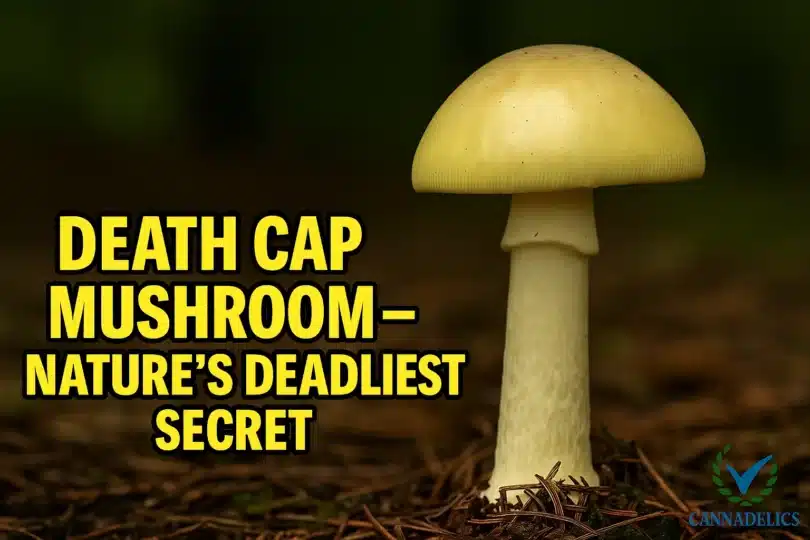

In the quiet edges of forests and along tree roots, a seemingly harmless fungus lurks. The Amanita phalloides, known to many as the Death Cap mushroom, is responsible for more mushroom-related fatalities than any other species. Its beauty masks deadly potency. For anyone interested in wellness, mycology, or just staying safe—especially those past 35—it’s vital to understand what makes this mushroom so dangerous, and how to avoid its deadly consequences.
What Is the Death Cap Mushroom?
Death Cap is a white-gilled, smooth-capped mushroom, often pale green or olive in color. It features a ring on the stem and a characteristic cup-like structure (volva) at the base.
Originally native to Europe, this species has spread worldwide—through imported trees, soil, and global trade. Regions of North America, Australia, and Asia now report cases of Death Cap poisoning, creating a global health concern.
Its Global Spread and Why It Matters
- Death Cap’s proliferation is aided by human activity: tree import/export and landscaping with non-native trees. Once the mushroom becomes established, it thrives quietly under leaf litter and among tree roots.
- Many people mistake it for edible species—young Death Caps are sometimes confused with puffballs or young edible Agaricus mushrooms.
- Because poisoning victims may initially believe they’ve eaten something harmless, delays in treatment are common—and dangerous.
Biological Mechanics of Toxicity
- The key toxins are amatoxins and phallotoxins. Amatoxins are the primary culprits in human fatalities. They block RNA polymerase II, a vital enzyme for transcription in cells. Without that, liver cells (and later kidney cells) cannot make the proteins they need, which leads to cell death.
- Amatoxins are heat-stable; cooking does not destroy them. Freezing and drying are also ineffective. Once ingested, these toxins are absorbed and transported to the liver. The first symptoms may take 6–12 hours to appear, during which damage proceeds internally.
Symptoms, Clinical Progression, and Treatment Protocols
- Initial symptoms (6–12 hrs): nausea, vomiting, severe diarrhea, often mistaken for food poisoning.
- Latent phase: symptoms may recede but internal damage continues. Liver enzyme levels rise; kidney function may begin to suffer.
- Critical phase: signs of liver failure—jaundice, coagulation problems, mental confusion. Without rapid medical attention (hospitalization, possible liver transplant), this phase can be fatal.
Treatment requires prompt medical action: activated charcoal, aggressive hydration, monitoring of liver/kidney enzymes, possible liver transplant if damage is severe.
Foraging vs. Wellness Industry: Lessons & Precautions
- Wild foraging risks: Even experienced foragers have been deceived. The risk of misidentification is real and sometimes fatal.
- Supplement choices: Lion’s Mane, Reishi, Chaga, Cordyceps and other functional mushrooms generally have good safety profiles. But never assume wild harvest equals safety. Reputable suppliers, laboratory testing, and accurate species identification are essential.
- Regulation is often lacking: Many supplements are unregulated; mislabeling and contamination are known issues. Knowing source, extraction methods, and test results helps.
The Broader Significance for Those Over 35
As we age, liver regeneration slows, immune response tends to be less robust, and the cumulative exposure to toxins over time increases vulnerability. For persons over 35:
- A poisoning event may progress more rapidly.
- Recovery may take longer.
- Pre-existing conditions (liver, kidney, immune system) increase risk.
Understanding risks and erring on the side of caution becomes not just wise—it’s essential.
Key Identification Features & Safety Guidelines
| Feature | What to Observe |
|---|---|
| Cap color and texture | Smooth, often olive-green, sometimes yellowish. Not scaly or shaggy (distinguish from some edible species). |
| Gills | White, not brown. Do not attach to stem in a way consistent with edible mushrooms. |
| Stem and Volva | White stem, presence of a volva (cup) at base is signature but can be underground or hidden. |
| Ring on stem | Often present but not always obvious. |
| Habitat | Grows near hardwood trees (oaks, chestnuts, beeches). Found in leaf litter, forest edges. |
Safety guidelines: avoid eating wild mushrooms unless confirmed by a qualified mycologist; do not rely on color or smell; learn from trusted field guides; when in doubt, throw it out.
Honoring Nature and Wellness Wisdom
While many mushrooms (Lion’s Mane, Reishi, etc.) offer supportive benefits for cognition, mood, immunity, it’s essential to respect the line between nature’s medicine and nature’s hazards. Recognizing species, knowing your source, and understanding dosage and preparation make the difference.
Conclusion
Death Cap reminds us that the natural world holds both tremendous gifts and serious risks. Its beauty is deceptive, but understanding its biology, geographical spread, symptoms, and proper safety measures can protect us. For wellness seekers, especially after age 35, the lesson is not to fear—but to be informed, cautious, and respectful of nature-guided wellness.
Medical Disclaimer: This article is for educational purposes only. In case of suspected poisoning, contact emergency medical services immediately.

Have anything to add? Your voice matters! Join the conversation and contribute your insights and ideas below.