

Introduction
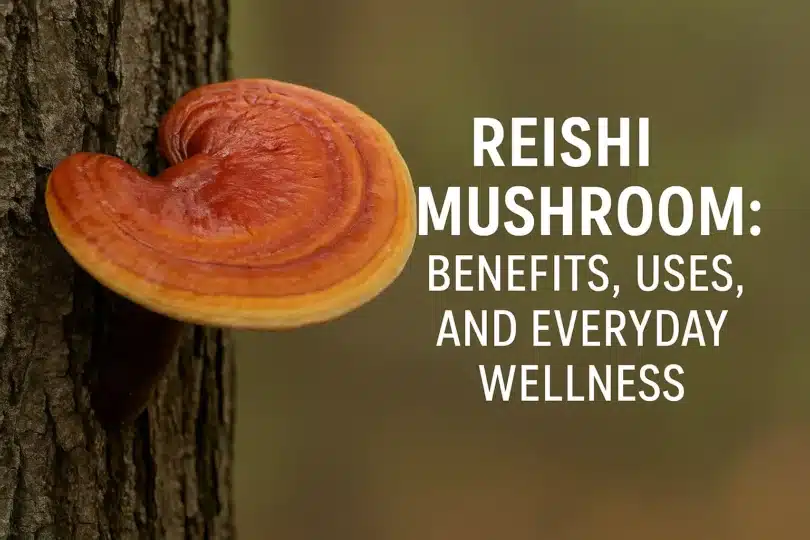
Reishi mushroom (Ganoderma lucidum), sometimes called the “mushroom of immortality,” has been revered for centuries in Traditional Chinese and Japanese medicine. Historically reserved for royalty and spiritual practice, Reishi was valued for its ability to promote balance, longevity, and inner calm. In modern wellness culture, it has re-emerged as a cornerstone adaptogen. People turn to Reishi today for support with chronic stress, restless sleep, immune balance, and general resilience. Unlike short-lived supplement fads, Reishi’s place is backed by decades of research and hundreds of scientific studies examining its compounds and effects. It bridges ancient wisdom and modern science in a way few natural remedies can.
Key Health Benefits
Stress Relief and Adaptation
Reishi is widely recognized as an adaptogen — a natural compound that helps the body adjust to stress. Chronic stress is one of the leading contributors to anxiety, digestive discomfort, and even cardiovascular risk. Reishi’s triterpenes and polysaccharides interact with the hypothalamic-pituitary-adrenal (HPA) axis, the central stress pathway that governs cortisol release. By smoothing fluctuations in cortisol, Reishi helps promote steadier energy and emotional resilience. Unlike stimulants, which provide a temporary lift, Reishi works gradually, supporting the body in returning to equilibrium. Many users describe a calm alertness after weeks of consistent use, rather than a sudden sedative effect.
Sleep Support
One of Reishi’s most popular applications is as a natural sleep aid. Research suggests Reishi influences the nervous system and may promote deeper phases of non-REM sleep. In animal models, triterpenes appear to act on brain receptors linked to relaxation. Human studies, while fewer, report improvements in sleep quality and reduced fatigue. Unlike melatonin, which directly triggers drowsiness, Reishi’s effects are cumulative, helping restore healthy sleep cycles over time. Many wellness enthusiasts take Reishi tea or capsules in the evening as part of a nightly ritual, combining the physical compounds with the calming act of routine itself. Better sleep translates into improved mood, productivity, and overall resilience.
Immune Modulation
Reishi is also valued for its unique effect on the immune system. Its beta-glucans are complex polysaccharides that interact with receptors on immune cells such as macrophages and natural killer cells. Rather than simply “boosting” immunity, Reishi helps modulate it, increasing activity when the body faces threats and calming it when it risks overreacting. This balancing act is important in modern life, where overactive immune responses can contribute to allergies and inflammation. As a result, Reishi is used seasonally for prevention, during recovery phases, and by those seeking general immune steadiness. Studies even explore its use as an adjunct in chronic conditions, though these applications are still being researched.
Heart and Circulation
Reishi’s benefits extend to cardiovascular wellness. Triterpenes found in Reishi may reduce platelet aggregation, a process linked to blood clotting, thereby improving circulation. Preliminary research suggests it can help regulate blood pressure and cholesterol levels. Its antioxidant properties further protect blood vessels from oxidative damage, which contributes to arterial stiffness and heart disease risk. For adults managing stress and looking to maintain heart health naturally, Reishi provides a gentle, long-term approach. However, due to its mild blood-thinning activity, it should be used cautiously alongside anticoagulant medication, always under professional guidance.
Liver Support and Detoxification
Traditionally, Reishi was used to “nourish the liver” and promote detoxification. Today, studies confirm hepatoprotective effects, showing that Reishi extracts may shield liver cells from toxin-related damage. By reducing oxidative stress and inflammation in the liver, Reishi indirectly supports digestion, hormone balance, and metabolism. As the liver is central to processing everything from nutrients to medications, its protection is highly relevant in the modern lifestyle, which often involves environmental toxins, processed food, and stress-driven habits.
How Reishi Mushroom Works
Reishi’s health effects come from a synergy of compounds. Triterpenes, bitter-tasting molecules, are associated with stress relief, anti-inflammatory action, and cardiovascular benefits. Polysaccharides, particularly beta-glucans, interact with immune receptors and regulate immune responses. Peptidoglycans add further metabolic and immune activity. These compounds act on the nervous system, stress pathways, and inflammatory cascades, providing broad but balanced effects. Another important factor is sourcing: fruiting-body extracts usually contain higher concentrations of triterpenes and beta-glucans, while mycelium-on-grain products can be less potent. Consumers are increasingly advised to look for dual-extracted products (hot water + alcohol) to ensure a full spectrum of active compounds.
Usage and Dosage
Reishi is available in capsules, powders, teas, and tinctures, each with advantages. Typical capsule doses range from 500–1500 mg of standardized extract per day, often split into two servings. Powders or teas may be consumed at 1–3 grams per day. Teas are traditional and provide not only the active compounds but also the calming ritual of preparation. Tinctures offer fast absorption, while powders mix easily into smoothies and broths. Because Reishi works gradually, consistency matters more than dosage spikes. Most people notice meaningful changes after 2–4 weeks of steady use. Evening dosing is often preferred for those targeting sleep, while morning or midday dosing suits those focusing on stress and immune support.
Risks and Side Effects
Reishi is generally considered safe, even for long-term use. Mild side effects such as dry mouth, dizziness, or digestive upset can occur in some users. Because Reishi has natural blood-thinning properties, caution is required for individuals on anticoagulant or antiplatelet medications. Those who are pregnant, breastfeeding, or managing autoimmune conditions should consult a healthcare provider before beginning supplementation. Importantly, Reishi is not a stimulant; in fact, some may find it overly calming if taken in large doses during the day. Adjusting timing and dosage usually resolves this.
Reishi Mushroom – Product Types and Formats
- Capsules: The most common format, offering consistent daily dosing with standardized extracts.
- Powders: Versatile and easy to add to beverages or meals, though the bitter flavor may not suit everyone.
- Teas: A traditional preparation that provides both biochemical benefits and the soothing act of ritual.
- Tinctures: Alcohol-based extracts that offer potency and fast absorption.
Each form has unique advantages. Capsules are best for convenience, powders allow flexible dosing, teas align with traditional use, and tinctures provide a concentrated approach.
Market Trends
The global functional mushroom market is growing rapidly, with analysts projecting it to surpass USD 19 billion by 2030. Reishi is consistently ranked among the top three functional mushrooms, alongside Lion’s Mane and Cordyceps. Its inclusion in sleep blends, adaptogen stacks, and coffee alternatives reflects shifting consumer priorities toward natural stress and sleep solutions. The COVID-19 pandemic accelerated this demand, as people sought ways to strengthen immunity and manage anxiety without pharmaceuticals. Modern consumers are also more discerning: they look for transparency about extraction methods, fruiting-body sourcing, and third-party lab testing. Brands that highlight beta-glucan percentages and provide certificates of analysis (COAs) earn greater trust. Subscription models, powder mixes, and ready-to-drink beverages with Reishi are also expanding access, making it easier to integrate into daily routines.
Closing
Reishi mushroom stands at the intersection of tradition and science. Its adaptogenic properties make it a versatile tool for stress management, sleep support, immune balance, and cardiovascular health. While it is not a quick fix, consistent use has the potential to yield meaningful improvements in daily resilience and long-term well-being. With a growing body of evidence and centuries of traditional use, Reishi remains one of the most trusted and respected functional mushrooms. Whether taken as a nightly tea, a morning capsule, or part of a broader adaptogen stack, Reishi offers adults a natural, evidence-based path toward greater balance in an increasingly demanding world.




Have anything to add? Your voice matters! Join the conversation and contribute your insights and ideas below.