
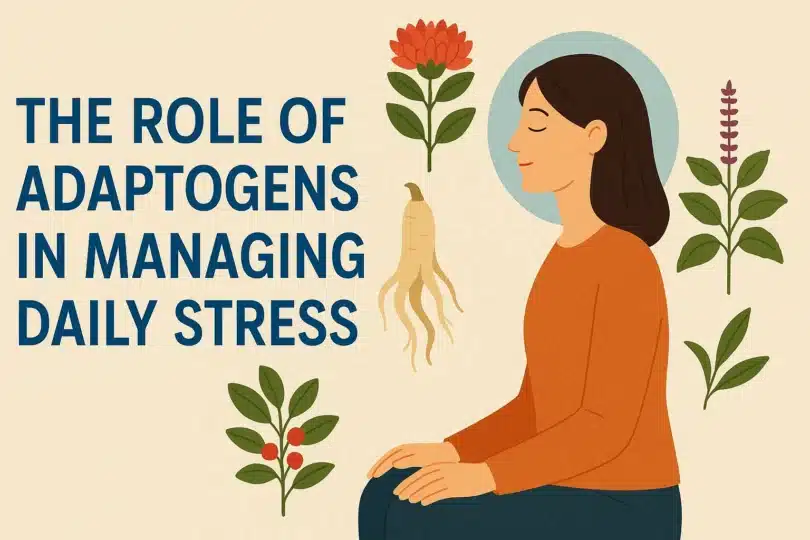

Modern life has no shortage of stressors. Work deadlines, financial pressures, and the constant ping of notifications can leave the nervous system in a state of near-permanent tension. While stress itself is not inherently harmful—short bursts help us adapt—chronic stress wears down both body and mind. In recent years, adaptogens have become some of the most talked-about natural remedies for daily stress. These unique herbs and mushrooms help the body adapt to challenges, restore balance, and improve resilience without the sedative side effects of pharmaceuticals. In 2025, adaptogens stand at the intersection of tradition and modern science as powerful allies against stress. Learn all about adaptogens and stress.
What Are Adaptogens?
Adaptogens are a class of natural substances, often herbs or fungi, that help the body normalize stress responses. Unlike stimulants, which push the body harder, or sedatives, which slow it down, adaptogens work by enhancing flexibility and balance. The concept originated in Traditional Chinese Medicine and Ayurveda, but modern research has confirmed their ability to influence hormones, neurotransmitters, and energy systems. Adaptogens don’t provide instant calm—they build resilience over time, making stress less disruptive.
How Adaptogens Work
Adaptogens act primarily through the hypothalamic-pituitary-adrenal (HPA) axis, which regulates cortisol and the stress response. They also influence neurotransmitters such as serotonin and dopamine, as well as cellular energy systems. By fine-tuning these pathways, adaptogens reduce the harmful effects of chronic stress while supporting stable energy and mood. The result is a body and mind better able to cope with daily challenges without crashing or burning out.
Top Adaptogens for Stress
Ashwagandha
Known as the “king of adaptogens” in Ayurveda, ashwagandha has some of the strongest evidence for lowering cortisol. Studies show improvements in anxiety, sleep quality, and overall stress resilience. A standard dose ranges from 300–600 mg of extract daily.
Rhodiola Rosea
Traditionally used in Russia and Scandinavia, rhodiola reduces fatigue and enhances mental performance under stress. It is particularly helpful for people experiencing burnout. A dose of 200–400 mg in the morning is typical.
Holy Basil (Tulsi)
In Ayurveda, tulsi is considered a sacred herb for calming the mind and spirit. Modern research supports its role in reducing anxiety and protecting against oxidative stress caused by chronic tension. Often consumed as tea or capsules.
Schisandra Berry
A traditional Chinese tonic, schisandra improves mental clarity and endurance under stress. It has a balancing effect, reducing anxiety while supporting focus. Dosages vary from 500–1000 mg of extract.
Reishi Mushroom
Often called the “mushroom of immortality,” reishi supports calm energy and better sleep by regulating immune and stress responses. It is commonly taken as capsules, powders, or teas.
Benefits of Adaptogens for Stress Management
- Lower cortisol: Reduce the stress hormone responsible for anxiety and sleep disruption.
- Improve sleep: Support deeper rest by calming the nervous system.
- Increase resilience: Help the body bounce back faster from stressful events.
- Enhance focus: Promote calm alertness without sedation.
- Support energy: Reduce stress-related fatigue without overstimulation.
Risks and Considerations
Adaptogens are generally safe, but not without caveats. Ashwagandha may affect thyroid hormones or lower blood pressure. Rhodiola can be too stimulating if taken late in the day. Holy basil may thin blood in sensitive individuals. Quality and sourcing are important—poorly standardized extracts may not provide consistent benefits. Pregnant or breastfeeding women should avoid most adaptogens unless advised by a professional.
Everyday Integration
Adaptogens work best when integrated into daily routines rather than taken sporadically. Morning rhodiola, evening ashwagandha, or reishi tea before bed can create natural rhythm support. Many people also combine adaptogens into blends designed for stress relief or energy balance. Pairing them with stress-management practices such as meditation, breathing exercises, or evening digital detoxes amplifies their effects.
Closing
Adaptogens offer a time-tested, scientifically supported way to manage modern stress. By balancing cortisol, improving sleep, and building resilience, herbs like ashwagandha, rhodiola, tulsi, schisandra, and reishi help restore calm in a world that rarely slows down. Unlike quick fixes, adaptogens provide gradual, sustainable support, making them an ideal foundation for stress management in 2025. For anyone seeking a natural way to cope with daily demands, adaptogens may be the missing link between exhaustion and balance.

Have anything to add? Your voice matters! Join the conversation and contribute your insights and ideas below.