
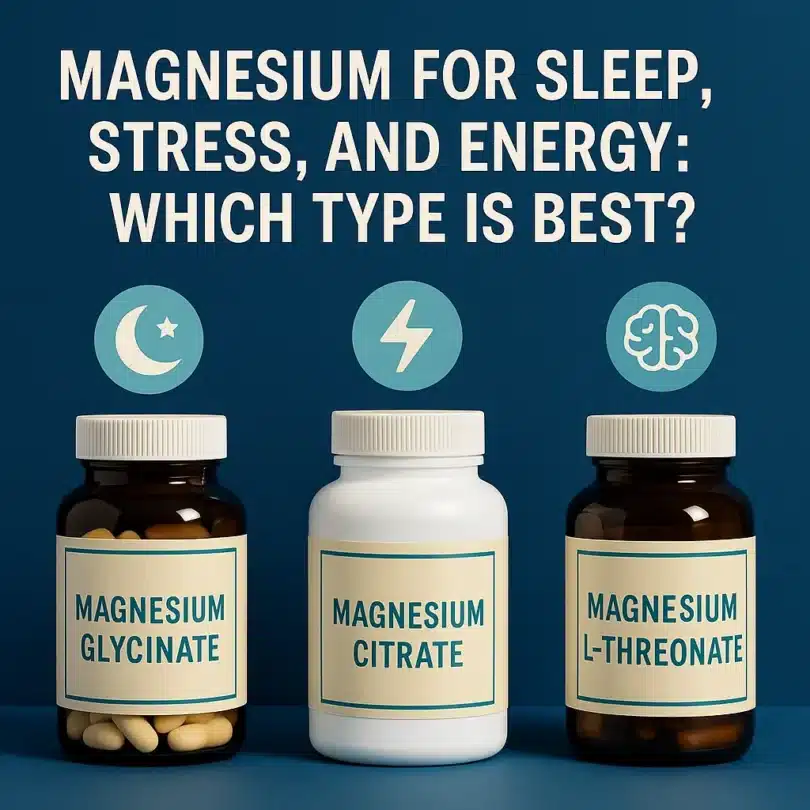

Magnesium is one of the most essential minerals in the human body, yet it’s also one of the most commonly deficient. Involved in over 300 biochemical reactions, magnesium supports muscle function, nerve signaling, energy production, and mood balance. By 2025, magnesium supplements have become a wellness staple—particularly for adults struggling with sleep, stress, and fatigue. But not all forms of magnesium are created equal. Some are better for relaxation, while others target energy or digestion. Which one is the best magnesium for sleep?
Why Magnesium Matters
Low magnesium intake is linked to insomnia, anxiety, fatigue, muscle cramps, and even increased risk of chronic conditions like high blood pressure and type 2 diabetes. Modern diets, high in processed foods and low in leafy greens, nuts, and seeds, make deficiency common. Supplementing can restore balance and improve key aspects of daily health.
Magnesium for Sleep
Sleep issues become more common with age, and magnesium plays an important role in calming the nervous system. By regulating neurotransmitters like GABA, magnesium helps the brain and body wind down for rest. Two forms stand out:
- Magnesium Glycinate: Gentle on digestion and highly absorbable, ideal for improving sleep quality and reducing nighttime anxiety.
- Magnesium L-Threonate: Crosses the blood-brain barrier and supports cognitive function while enhancing sleep depth.
Magnesium for Stress and Anxiety
Stress depletes magnesium, and low magnesium increases stress—a vicious cycle. Supplementing can help regulate cortisol and balance the nervous system. The best forms for stress relief include:
- Magnesium Glycinate: Widely regarded as the “calming magnesium.”
- Magnesium Taurate: Combines magnesium with taurine, supporting heart and nervous system function.
Magnesium for Energy and Performance
Magnesium is essential for ATP production—the body’s main energy molecule. Without it, fatigue is almost inevitable. For energy and exercise performance, the best options include:
- Magnesium Malate: Supports muscle recovery and reduces fatigue, often recommended for active individuals.
- Magnesium Citrate: Well-absorbed and energizing, though it can have a mild laxative effect.
Other Notable Types of Magnesium
- Magnesium Oxide: High elemental magnesium content but poorly absorbed. Often used for constipation relief rather than systemic benefits.
- Magnesium Chloride: Versatile, available in oral and topical forms (lotions, sprays) for muscle relaxation.
- Magnesium Sulfate: Better known as Epsom salts, commonly used in baths for relaxation and sore muscles.
How to Choose the Right Magnesium
- For sleep & relaxation: Magnesium glycinate or L-threonate.
- For stress & mood balance: Glycinate or taurate.
- For energy & performance: Malate or citrate.
- For digestion/constipation: Citrate or oxide.
- For topical use: Magnesium chloride sprays or Epsom salt baths.
Ultimately, the right type depends on your primary goal, but all forms contribute to overall magnesium intake.
Market Trends in 2025
Magnesium has become one of the fastest-growing supplement categories, thanks to rising awareness of its role in stress, sleep, and energy. Multi-ingredient “sleep stacks” often feature magnesium glycinate, while nootropic blends highlight L-threonate. Subscription services are popular, bundling magnesium with probiotics or adaptogens in daily packs. For affiliates, magnesium is a high-conversion supplement due to broad appeal and affordability.
Risks and Considerations
Magnesium is generally safe, but too much can cause digestive upset—especially citrate or oxide forms. People with kidney disease should use magnesium supplements cautiously. Quality matters: look for third-party tested brands to avoid contamination and ensure accurate dosing.
Magnesium for Sleep, Stress & Energy – Closing
Magnesium isn’t just another supplement trend—it’s a cornerstone of health that supports sleep, stress resilience, and energy production. The key is choosing the right form for your needs. Glycinate and L-threonate excel for relaxation, malate and citrate for energy, and topical forms for muscle recovery. By making an informed choice, adults in 2025 can harness magnesium’s full potential to feel calmer, stronger, and more energized every day.

Have anything to add? Your voice matters! Join the conversation and contribute your insights and ideas below.