
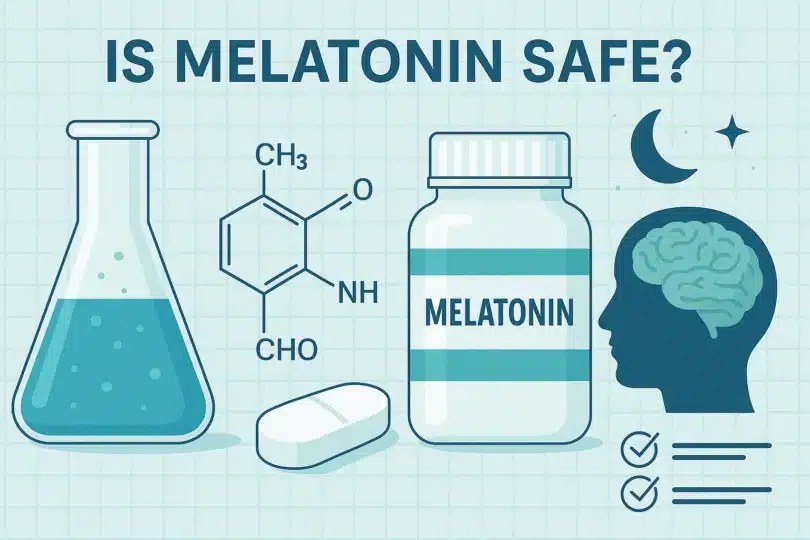

Melatonin is one of the most widely used supplements for sleep. Often marketed as a safe and natural solution, it has become a go-to option for people struggling with jet lag, shift work, or occasional insomnia. But as more adults consider melatonin for nightly use, questions arise: is it safe to take every day? Does it work long term? And are there better alternatives? This article takes a closer look at melatonin’s role in sleep, its benefits, risks, and whether daily use is recommended in 2025.
What is Melatonin?
Melatonin is a hormone naturally produced by the pineal gland in response to darkness. It signals to the body that it’s time to prepare for rest, helping regulate circadian rhythms. Unlike sedatives, melatonin does not force sleep—it acts more like a biological clock cue. Synthetic melatonin supplements are widely available and come in tablets, gummies, sprays, and liquid formats. While effective for short-term issues, its long-term use is more complex.
When Melatonin Works Best
Melatonin is most effective in situations where circadian rhythms are disrupted:
- Jet lag: Helps reset sleep timing when crossing time zones.
- Shift work: Supports night-shift workers who need to sleep during the day.
- Sleep disorders in children and older adults: Can be prescribed under medical supervision when natural melatonin production is impaired.
- Occasional insomnia: May reduce the time it takes to fall asleep.
In these cases, melatonin acts as a temporary aid rather than a permanent fix.
Is It Safe for Daily Use?
The safety of long-term melatonin use depends on factors such as dosage, individual health, and duration. Most experts agree that low-dose melatonin (0.3–3 mg) is safe for short-term or occasional use. However, nightly long-term use raises questions:
- Dependence: While melatonin is not addictive, reliance on it may mask underlying sleep issues, such as stress or poor sleep hygiene.
- Hormonal impact: High doses can disrupt the body’s natural melatonin rhythm and potentially affect hormone regulation.
- Effectiveness over time: Some users report diminishing effects with prolonged use.
- Side effects: May include grogginess, vivid dreams, headaches, or digestive upset.
In general, experts recommend using melatonin strategically rather than as a nightly habit.
Expert Perspectives
Sleep researchers emphasize that melatonin is not a universal sleep cure. Some researchers have described melatonin as a “sleep regulator” rather than a “sleep inducer.” This means it helps adjust timing but does not create deeper, higher-quality sleep. Others suggest focusing first on lifestyle practices and natural supplements that support sleep cycles, such as magnesium, ashwagandha, or CBD.
Natural Alternatives
For people considering melatonin every night, alternatives may provide more sustainable results:
- Magnesium glycinate: Supports deep sleep and reduces muscle tension.
- Ashwagandha: Reduces stress hormones, easing nighttime restlessness.
- L-theanine: Promotes relaxation without sedation, reducing pre-sleep anxiety.
- CBD: Supports circadian rhythm balance and reduces stress-related insomnia.
- Chamomile tea: A gentle ritual with compounds that promote calm.
How to Use Melatonin Wisely
For those who choose to use melatonin, experts recommend:
- Use the lowest effective dose (0.3–3 mg).
- Take it 30–60 minutes before bedtime.
- Reserve nightly use for temporary disruptions (jet lag, shift work).
- Avoid high doses, which may cause grogginess or disrupt natural rhythms.
- Pair with good sleep hygiene: dim lights, consistent bedtime, cool and quiet bedroom.
Closing
Melatonin is a powerful tool when used strategically. For occasional use, travel, or temporary circadian disruptions, it can be highly effective. But daily long-term reliance may not be the best path, as it does not address root causes of poor sleep and can lead to side effects or reduced effectiveness. In 2025, the best approach is to view melatonin as a short-term aid, complemented by lifestyle changes and natural remedies that support deep, restorative sleep.


Have anything to add? Your voice matters! Join the conversation and contribute your insights and ideas below.